
Challenges Schools Encounter in Sourcing Quality Uniforms
Finding the right school uniform supplier can be a surprisingly complex task for many schools. Uniforms are more than just clothing; they represent the school's identity and contribute to a sense of community among students. Yet, schools often face several challenges when sourcing uniforms that meet their standards for quality, cost, and availability. This post explores the common issues schools encounter and offers insights into navigating these obstacles effectively.
Balancing Quality and Budget Constraints
One of the biggest challenges schools face is finding uniforms that are durable and comfortable without exceeding tight budgets. Uniforms must withstand daily wear and frequent washing, so quality fabrics and stitching are essential. However, higher quality often means higher costs, which can strain school budgets or increase expenses for families.
Schools must carefully evaluate suppliers to ensure uniforms offer good value. For example, some schools have found success by choosing fabrics that combine durability with breathability, such as polyester-cotton blends. These materials tend to last longer and maintain appearance, reducing the need for frequent replacements.
Managing Supplier Reliability and Delivery Times
Timely delivery is critical, especially before the start of a new school year. Delays can disrupt students’ ability to wear the correct uniform from day one. Unfortunately, some schools struggle with suppliers who fail to meet deadlines or provide inconsistent stock levels.
To avoid this, schools often seek suppliers with proven track records and clear communication channels. Establishing contracts with penalties for late delivery or requesting samples and references before committing can reduce risks. Schools that plan orders well in advance also improve their chances of receiving uniforms on time.
Addressing Size and Fit Variability
Uniform sizing can vary widely between manufacturers, causing frustration for students and parents. Ill-fitting uniforms affect comfort and appearance, which can impact student confidence and compliance with dress codes.
Schools can mitigate this by requesting size charts and samples from suppliers to test fit before bulk ordering. Some schools also hold fitting sessions where students try on samples to determine the best sizes. Clear guidance for parents on sizing and return policies helps reduce confusion and dissatisfaction.
Ensuring Ethical and Sustainable Sourcing
Increasingly, schools want to ensure their uniforms are produced ethically and sustainably. This means sourcing from suppliers who follow fair labor practices and use environmentally friendly materials. However, finding such suppliers can be difficult and sometimes more expensive.
Schools committed to sustainability may partner with suppliers who provide certifications or transparent supply chains. Some have introduced second-hand uniform programs to extend garment life and reduce waste. These initiatives require additional coordination but align with growing community values.
Handling Customization and Branding Requirements
Schools often require uniforms to include logos, specific colors, or unique designs. Customization adds complexity to the sourcing process, as it requires suppliers capable of precise embroidery or printing. Errors in branding can affect the school’s image and lead to costly reorders.
To manage this, schools should work closely with suppliers to review proofs and samples before final production. Clear specifications and quality checks at multiple stages help ensure the final product meets expectations. Choosing suppliers with experience in school uniform customization reduces the risk of mistakes.
Navigating Parental Expectations and Preferences
Parents play a key role in uniform purchasing decisions. Some expect affordable options, while others prioritize quality or style. Schools must balance these preferences while maintaining uniformity and fairness.
Open communication helps schools explain their choices and policies. Offering multiple uniform options, such as different fabric weights or styles, can accommodate diverse needs. Schools that involve parent representatives in uniform decisions often find smoother acceptance and fewer complaints.
Dealing with Inventory Management and Stock Levels
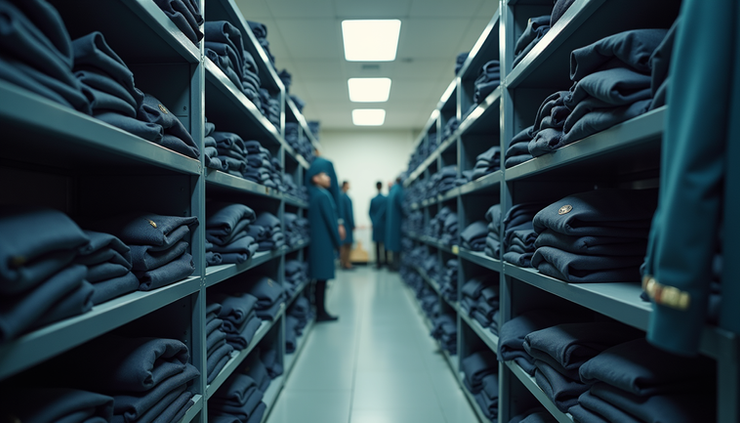
Maintaining adequate stock levels throughout the year is another challenge. Schools must predict demand accurately to avoid shortages or excess inventory. Overstock ties up funds and storage space, while understock leads to frustration and last-minute orders.
Some schools use inventory management software or partner with suppliers who offer just-in-time delivery. Regular surveys of student numbers and growth trends help forecast needs. Clear return and exchange policies also support efficient inventory turnover.



Comments